

Books for Teaching Kindness to Kids (2026 Picks)
Table of Contents
- Why Books Are a Powerful Tool for Teaching Kindness
- Best Board Books for Kindness (Ages 1-3)
- Top Picture Books for Kindness and Empathy (Ages 4-7)
- Children's Books About Social Emotional Learning
- How to Teach Kindness to Toddlers: Beyond the Story
- Is Daily Reading Enough for Early Literacy and Character Growth?
- Books for Every Kind of Learner: Neurodivergent and Sensitive Kids
- Conclusion: Building a Kindness Library at Home
- Frequently Asked Questions
Last Updated: September 9, 2026
Why Books Are a Powerful Tool for Teaching Kindness
Teaching kindness is about building a habit of empathy, and few tools shape that habit as naturally as a well-chosen story. When a child watches a character share a toy or comfort a friend, they are not just following a plot; they are rehearsing a social script they can use in their own life. This is why books for teaching kindness belong on every family shelf, not as a one-time lesson but as a daily ritual that weaves compassion into a child's worldview.
At Quill and Compass Books, we believe the quiet moments of reading together are where character development truly begins. A story offers a safe space to explore big feelings, ask questions, and see the world from another person's perspective without the pressure of a real-life conflict. Below, we'll show you exactly how to select stories for your child's age and how to turn reading time into a powerful tool for nurturing empathy.
Best Board Books for Kindness (Ages 1-3)
For the youngest readers, the book itself is part of the lesson. Board books for toddlers need to survive being chewed, thrown, and used as building blocks, but they also need to deliver a clear, simple message about caring. The best options use bright, high-contrast illustrations and minimal text to introduce concepts like sharing, gentle hands, and the joy of a hug.
Sturdy Picks for Little Hands
A common mistake is buying flimsy books that fall apart in a week. Look for thick, rounded pages that are easy for small hands to turn and difficult to destroy. For this age, the story should be a single, concrete action, like helping a friend pick up blocks or patting a pet gently. Repetition is your friend here; a toddler learns kindness by hearing the same affirming words again and again until they become a part of their understanding of the world.
Top Picture Books for Kindness and Empathy (Ages 4-7)
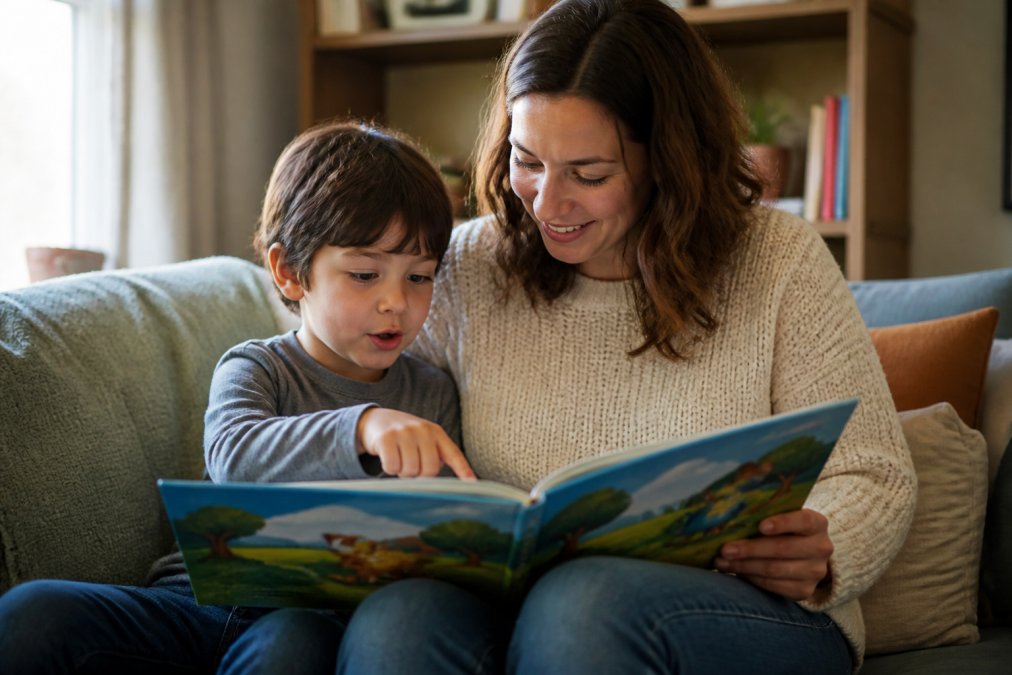
As children grow, their stories can grow with them. Picture books for ages 4-7 introduce more complex situations, such as including a new student, standing up for someone being teased, or recognizing sadness in a friend. These longer narratives allow children to sit with a problem and see how kindness and empathy resolve it, building a foundation for moral development and conflict resolution skills.
The sweet spot for this age is a story where kindness is the engine of the plot, not just a moral tacked on at the end. Look for characters who make mistakes and learn from them, and who show respect and compassion even when it is difficult. These stories spark conversations, so be ready to pause and ask your child, "How do you think that character felt?" or "What would you have done?" This active engagement is what turns a passive reading session into a lesson in social skills.
Standout Titles to Look For
While there are hundreds of options, a few titles have become touchstones in classrooms and homes for the way they handle empathy and kindness. These are not the only good books, but they are reliable starting points that have stood up to repeated readings and tough questions.
- "The Invisible Boy" by Trudy Ludwig, This book follows Brian, a quiet kid who feels overlooked by his classmates. When a new student arrives, Brian's small acts of kindness, like drawing a picture, show how inclusion can be a quiet, powerful force. It is excellent for starting a conversation about who might be feeling left out at school.
- "Each Kindness" by Jacqueline Woodson, A more somber take, this story shows what happens when a chance to be kind is missed. The main character, Chloe, refuses to play with a new girl, Maya, and when Maya moves away, Chloe is left with regret. It is a powerful lesson for older picture book readers about the weight of our choices.
- "The Kindness Book" by Todd Parr, With Parr's signature bright, simple illustrations, this book presents kindness as a series of concrete, accessible actions: sharing an umbrella, helping someone pick up dropped items, or just saying "please" and "thank you." It is a great conversation starter because the examples are so easy for children to replicate.
- "Be Kind" by Pat Zietlow Miller, When Tanisha spills grape juice on her clothes, the narrator wants to make her feel better but does not know how. The book explores all the different ways kindness can look, from a big gesture to a quiet word, and shows that even small actions matter.
How to Read These for Maximum Impact
Simply reading these books is not enough. To get the most out of them, try these techniques:
- Pause and Predict: Before turning the page, ask, "What do you think they will do next?" This gets your child thinking about the characters' choices before they see the resolution.
- Connect to Real Life: After reading, ask a direct question like, "Has anything like that ever happened at your school?" or "Have you ever felt like the new kid?" This bridges the fictional world to your child's reality.
- Role-Play a Scene: Pick a moment from the book and act it out. Let your child play the kind character and you play the one who needs help. This physical rehearsal makes the social script more memorable.
Children's Books About Social Emotional Learning
Children's books about social emotional learning go beyond simple acts of kindness to address the full spectrum of feelings and relationships. These stories help children name their own emotions, understand that feelings are temporary, and recognize that others have feelings too. This is the heart of emotional intelligence: the ability to manage oneself and relate to others with compassion and respect.
What makes these books so effective is their focus on internal states rather than just external actions. A story about a child who is angry because a tower fell down teaches emotional regulation, while a story about a child who apologizes shows the repair process. By including these books in your rotation, you are building a kindness curriculum at home that supports your child's behavioral growth and their ability to form healthy friendships.
How to Teach Kindness to Toddlers: Beyond the Story
Reading the book is only the first step in how to teach kindness to toddlers. The real learning happens when you connect the story to the child's own world. Toddlers are naturally egocentric, so they need concrete examples to bridge the gap between a fictional bear sharing honey and themselves sharing a toy car.
Discussion Guides and Reflection Questions
To make the lesson stick, try using simple reflection questions after you read. You do not need a formal guide; a few open-ended prompts work wonders.
- "Can you show me a sad face? What makes you sad?"
- "What did the bunny do when his friend fell down?"
- "What is one nice thing you can do for your sister today?"
This technique, known as dialogic reading, transforms the child from a listener into a participant (readingrockets.org). When a child verbalizes the act of kindness, they are more likely to internalize it and act on it later. For parents of neurodivergent children, these questions can be even more powerful when paired with visual cues from the book, helping to make abstract social concepts more concrete and less overwhelming.
A Structured Prompt Framework for Parents and Teachers
Most listicles stop at "ask questions." But to truly build a kindness habit, you need a repeatable framework. Try using the "Feel, See, Do" method after every kindness-themed book. It takes less than five minutes and gives you a consistent structure that toddlers can predict and learn from.
- Feel (Emotional Recognition): Start by identifying the emotion in the story. Ask, "How did the character feel when that happened?" For a toddler, you may need to offer choices: "Was the puppy happy or sad?" This builds emotional vocabulary.
- See (Visual Connection): Flip back through the book and point to the specific illustration that shows the act of kindness. Say, "Look, the bear is sharing his honey. See how the other bear is smiling?" This anchors the abstract concept of "kindness" to a concrete visual image.
- Do (Action Planning): End with a forward-looking prompt that connects to the child's immediate world. Ask, "What is one way you can be kind today?" If they cannot think of one, offer a specific suggestion: "Can you give your teddy a hug?" or "Can you help me put the blocks away?"
From Conversation to Action: Kindness Activities That Stick
A conversation is a good start, but pairing it with a physical activity cements the lesson. Here are three simple, low-prep activities that turn a story into a real-world kindness project.
- The Kindness Jar: After reading a book about helping, decorate a jar together. Every time you catch your toddler doing something kind, sharing a toy, giving a hug, using gentle hands, drop a pom-pom or a coin into the jar. When the jar is full, celebrate with a special family activity. This gives the child a tangible, visual reward for prosocial behavior.
- The "Helper" Hunt: After reading a story where a character helps someone, go on a "helper hunt" around the house. Ask, "Who helps us by setting the table?" or "Who helps us by sweeping the floor?" Then, let your toddler "help" you with a safe task like wiping the table or sorting socks. This connects the fictional act of helping to real household routines.
- Kindness Cards for a Neighbor: After reading a book about making someone feel better, create a simple "kindness card" together. Let your toddler scribble on paper or stick on a sticker, and then walk together to give it to a neighbor or family member. This shows that kindness is not just about reacting to problems, but about proactively spreading joy.
Is Daily Reading Enough for Early Literacy and Character Growth?
A common question we hear is whether daily reading is enough for early literacy and character growth, or if parents need to do more. The simple answer is that daily reading is the essential foundation, but it works best when paired with real-world practice. Reading about kindness is the theory; catching your child being kind and praising them is the practice.
If daily reading is your anchor, you can extend the lesson with small activities. After reading a book about helping, you might say, "Let's find something to help with, just like in the story." This connection between literature and life is what solidifies the learning. It is also why the quality of the books matters; a well-crafted, wholesome story gives you a stronger platform for these discussions than a generic, mass-produced title. As noted by experts in early literacy, the interaction around the book is often more valuable than the book itself, which is why Reading Rockets' guide on dialogic reading recommends asking questions and following the child's interest.
Books for Every Kind of Learner: Neurodivergent and Sensitive Kids
Not all children absorb a lesson on kindness in the same way, and a thoughtful approach makes room for every kind of learner. For neurodivergent children, particularly those with sensory sensitivities, the physical feel of the book and the predictability of the story matter deeply (autismspeaks.org). Books with clear, simple illustrations and calm, rhythmic text can be more accessible than those with busy, chaotic pages.
When choosing books for teaching kindness for a sensitive or neurodivergent child, look for stories that are explicit about social cues. Stories that show a character's face clearly and explain what the expression means are invaluable. Avoid books with ironic humor or abstract concepts that might be confusing. Instead, choose stories that celebrate differences and show inclusion in a straightforward way. The goal is not to force eye contact or a specific emotional response, but to provide a safe, low-pressure way for the child to explore social scenarios and build a kindness mindset at their own pace.
Conclusion: Building a Kindness Library at Home
Building a kindness library is one of the most rewarding investments you can make in your child's future. It is not about having hundreds of books, but about having the right ones and reading them with intention. Start with a few sturdy board books for the toddler years, add picture books that model empathy as they grow, and always take time to talk about what you have read.
At Quill and Compass Books, we create board books specifically designed to nurture curiosity and compassion in young hearts. Our stories are crafted to be safe, durable, and engaging, offering parents a trusted tool for raising confident readers and compassionate thinkers.
Frequently Asked Questions
What age should I start teaching kindness through books?
You can start as early as infancy with board books. Even babies respond to the soothing tone of a read-aloud and the comfort of a caregiver's lap. Between ages 1 and 3, board books about sharing and friendship build a foundation. By ages 4 to 7, picture books with more complex stories help children understand empathy and the impact of their actions. The key is matching the book's complexity to your child's developmental stage.
How do you effectively teach kindness through reading?
Reading alone is not enough. To teach kindness effectively, pause during the story to ask questions like, "How do you think that character feels?" or "What would you do in this situation?" Connect the story to real life by pointing out kind acts you see during the day. After finishing the book, try a related activity, such as drawing a picture for a neighbor or sharing a toy with a sibling. This turns a passive story into an active lesson.
Are there books that help children understand the impact of their actions?
Yes. Look for stories that show clear cause and effect in social situations. Books about sharing, apologizing, or including others often show how a character's choice leads to a positive or negative outcome. When you read these stories, emphasize the consequences. Ask your child, "What happened after she grabbed the toy?" and "What happened when he shared his snack?" This direct questioning helps children connect actions to feelings and results.
What are the best books for teaching empathy and emotional intelligence?
The best choices are stories with relatable characters who face social challenges like sharing, taking turns, or comforting a friend. Look for books classified under social-emotional learning, as they are designed to build empathy and emotional intelligence. These stories usually give characters a clear emotional arc and show how kindness resolves conflicts. A mix of board books for toddlers and picture books for preschoolers covers the key developmental stages for building these skills.